
Mortgage Marketing / Landing Page Optimization
Mortgage Landing Page Optimisation: Turning More Visitors Into Qualified Leads
November 4, 2026 · 2 min read · by qcvimarketing@qcverify.com
A mortgage landing page should do more than generate clicks. Discover how relevant messaging, easier enquiry forms, trust-building details and mobile usability can help the right borrowers take the next step.
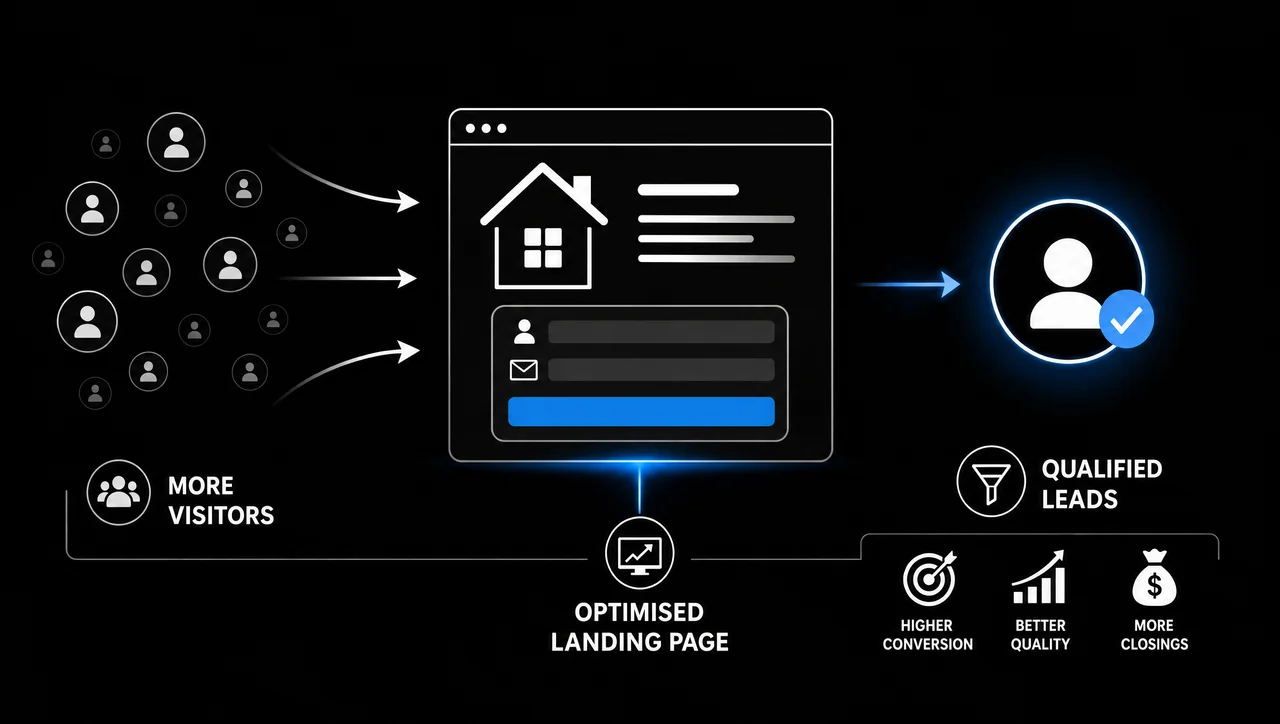
A borrower clicks an ad for a mortgage refinancing option, visits the lender’s website and leaves without submitting an enquiry. The advertising team records the click, but the sales team never gets a chance to speak with that person. This happens more often than mortgage companies realise.
The landing page may be the problem. Even when an advertising campaign attracts relevant visitors, a poorly planned page can prevent them from taking the next step. Mortgage landing page optimisation helps close that gap by making the page relevant, useful and easier to act on.
Give Borrowers a Reason to Stay
A visitor should understand what the page offers within a few seconds. If someone clicks an advertisement about first-time homebuyer loans, the landing page should address that specific need rather than sending them to a general mortgage services page.
The headline, supporting content and call to action should all relate to the original search or advertisement. This message match helps visitors feel they have reached the right place.
Explain the loan service in plain language. Borrowers may want to know who the service is for, what the next step involves, and whether they can speak with a loan officer before deciding.
Make the Enquiry Form Easier to Complete
Mortgage forms need to collect useful information, but asking too many questions at the first contact can discourage visitors.
Consider what the team actually needs to begin a conversation. Loan purpose, property location and estimated purchase timeframe may be enough for an initial enquiry. Detailed financial information can be collected later through an appropriate secure process.
A shorter form can reduce friction, although the goal should remain qualified enquiries rather than the highest possible submission count.
Build Trust Before Asking for Personal Details
Mortgage borrowers are cautious about sharing financial information online. A landing page should answer basic trust questions before asking visitors to submit their details.
Useful elements include:
● Clear information about the lender or loan officer. ● Genuine customer reviews and testimonials. ● Relevant licensing information and required disclosures. ● A visible privacy policy explaining how submitted information is handled. ● A clear explanation of what happens after an enquiry.
These details help visitors understand who they are contacting and what to expect.
Check the Page on Mobile Devices
Many borrowers research mortgage options using their phones. A page that looks organised on a desktop may have difficult forms, small text or misplaced buttons on a mobile screen.
Test the entire enquiry process on different screen sizes. Check loading speed, button placement, form fields and whether visitors can complete the submission without unnecessary steps.
Final Thoughts
A mortgage landing page should do more than collect contact details. It should help the right borrower understand the service and feel comfortable inquiring. Review the page against actual visitor behaviour, test one change at a time and compare qualified lead submissions rather than relying only on total conversions.
FAQ
Frequently asked questions
What is mortgage landing page optimisation?
What should a mortgage landing page include?
Should every mortgage advertising campaign have a separate landing page?
Next step
Discuss this for your team
Book a strategy call and we'll apply this thinking to your accounts.